
Seneca builds competency programs for small and mid-size trade contractors. They hold up the way enterprise programs do, because they are built the same way. We just deliver them without the bureaucracy that makes them expensive.
Every assessment is a scored practical evaluation. A supervisor you designate watches it happen, then signs the record with their own name on it.

What we think about online safety training
The standard model is a worker alone with a screen. A video plays. A multiple-choice question follows. Answer wrong, answer again, until you answer right. A certificate is generated.
Nobody watched. Nobody confirmed the worker was the one clicking. Nobody observed a single decision under any condition resembling the field. The certificate attests that a click-path was completed, and every experienced supervisor knows it.
Production value is not rigour. We put our money into scenario quality, scoring discipline, and the proctor system. That is where competency actually comes from.

How it works
Any supervisor, foreman, or lead with oversight of the worker. Most companies name two or three. The welcome packet tells them exactly what the role involves.

This part is instruction rather than evaluation, so it is unproctored. Twenty to twenty-five minutes, on any phone or tablet.

A one-page instruction sheet lives on the clipboard. No phones, no notes, no coaching. Ten minutes on the clock, scored, pass mark 80%. A critical safety error ends the attempt, because in the field it ends more than that.

Their name, the worker’s name, the date, the score. Then a debrief on anything missed, which is the most valuable fifteen minutes in the whole process.

The assessments
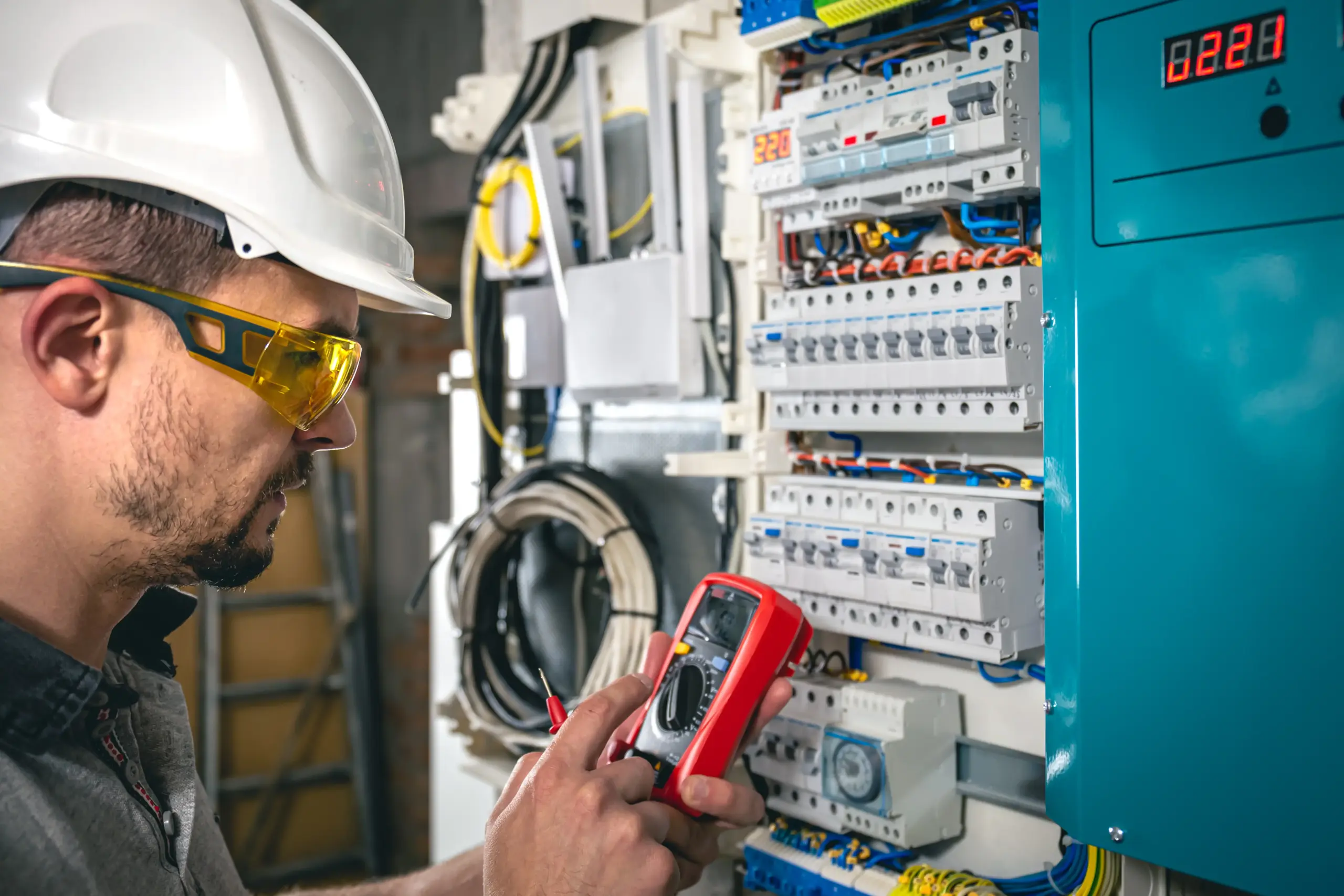
Our assessments are not question banks. They are evolving job-site scenarios where a decision you make in the first ten minutes changes what you are looking at two hours later.
Put spoil at the trench edge and the tension crack appears on your afternoon walk, with the screen naming which of your own decisions produced it. Trust a mislabelled panel schedule and skip Live-Dead-Live, and a station appears that only exists because you did both.
That is how the field works. Consequences arrive late, from decisions that felt reasonable at the time.
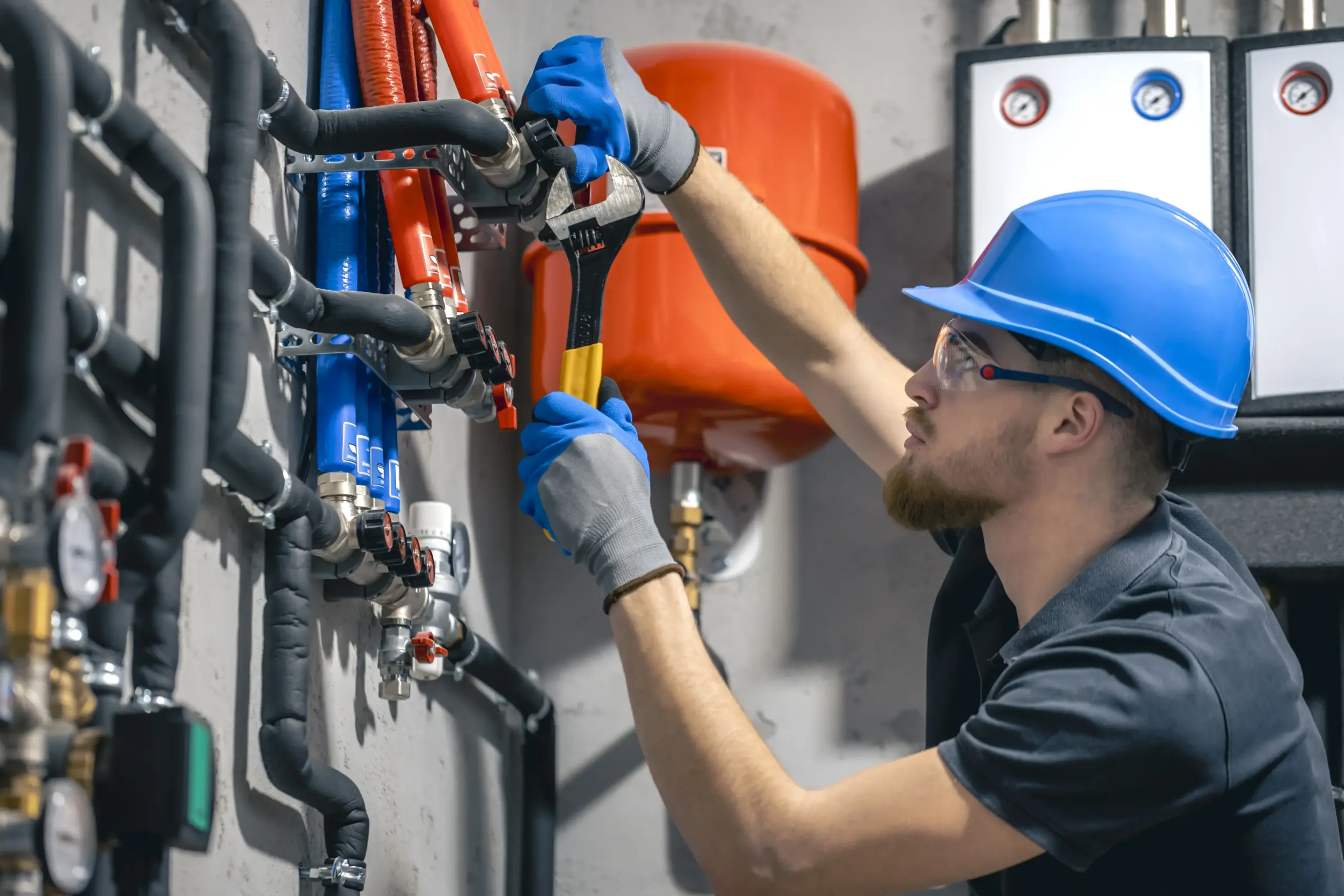
LOTO · Multimeter & voltage testing · Main power shutdown · Fall protection · Aerial lifts · Ladder & scaffold · Spotter & signals · Heat
Confined space · LOTO · Multimeter · Silica · Fall protection · Aerial lifts · Ladder & scaffold · Spotter · Heat
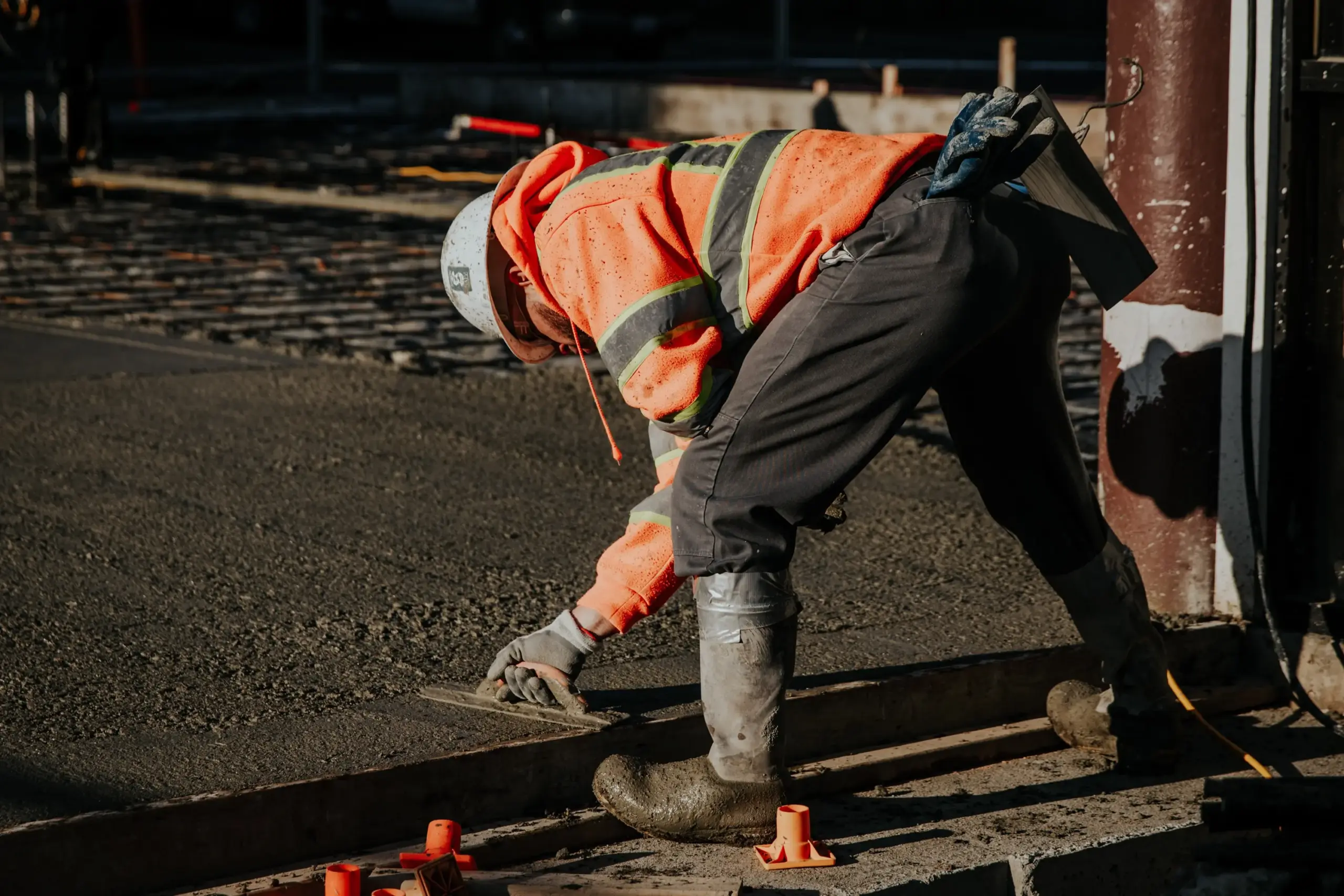
Excavation competent person · Trenching & shoring · Silica · Fall protection · Ladder & scaffold · Spotter · Heat
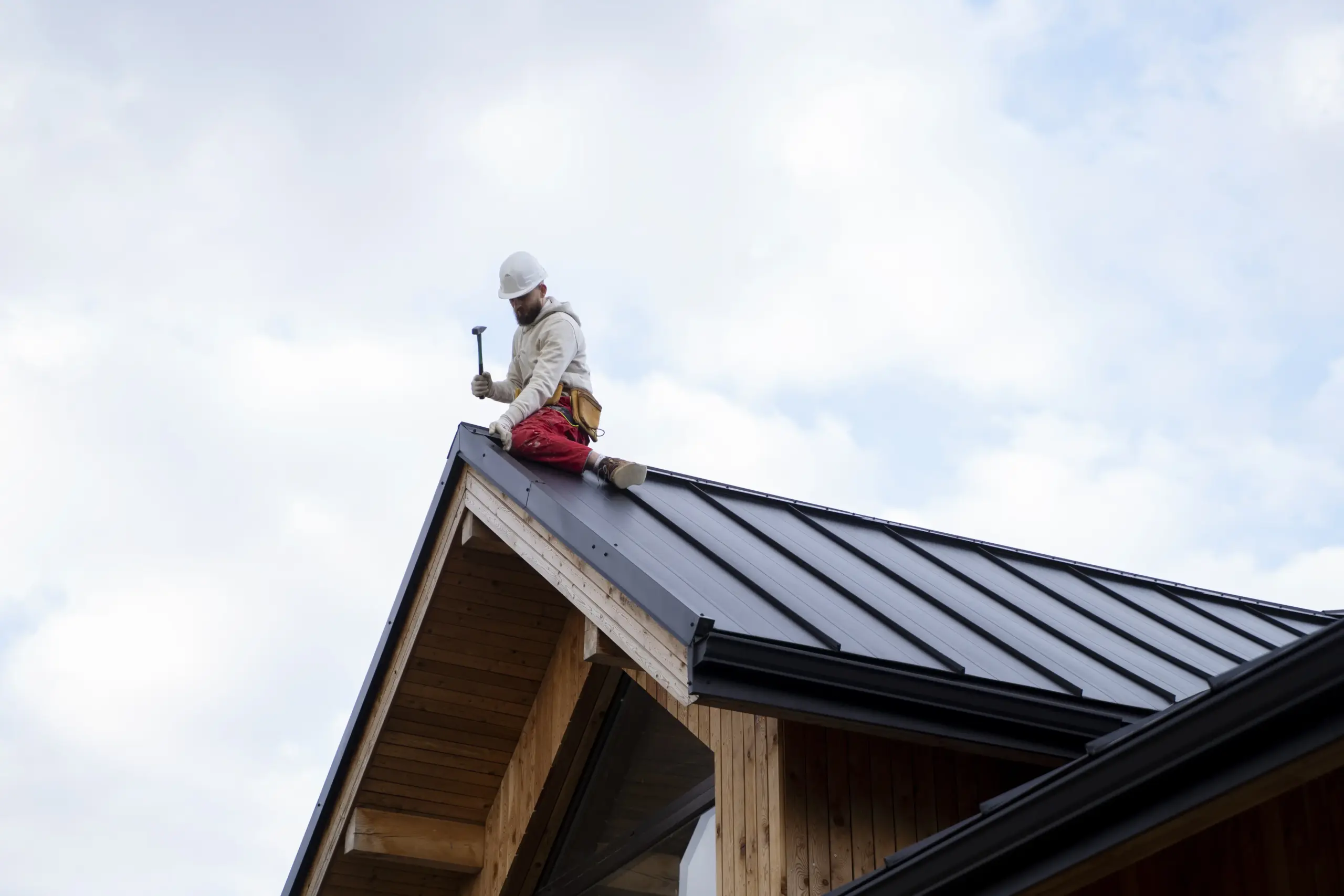
Roofing fall protection · Ladder & scaffold · Aerial lifts · Spotter · Silica · Fall protection · Heat
All thirteen topics
| Field employees | Annual | Per employee |
|---|---|---|
| Up to 25 | $750 | $30/yr |
| Up to 50 | $1,500 | $30/yr |
| Up to 150 | $4,500 | $30/yr |
| Up to 300 | $7,500 | $25/yr |

What we will not tell you
OSHA does not certify individuals. No course completion, ours or anyone else’s, makes someone a competent person. That designation is yours to make. It requires knowledge, demonstrated field capability, and granted authority to correct hazards.
Our proctored assessment documents the first. The field skills verification in your welcome packet covers the second. The designation letter covers the third. Anyone selling you a certificate that supposedly does all three is selling something that will not survive scrutiny.

Have any questions
Three minutes on your trade, your crew size, and what you are actually trying to solve. Joey reads it before the call, so the first fifteen minutes are useful instead of introductory.